Transitioning to Raw Food
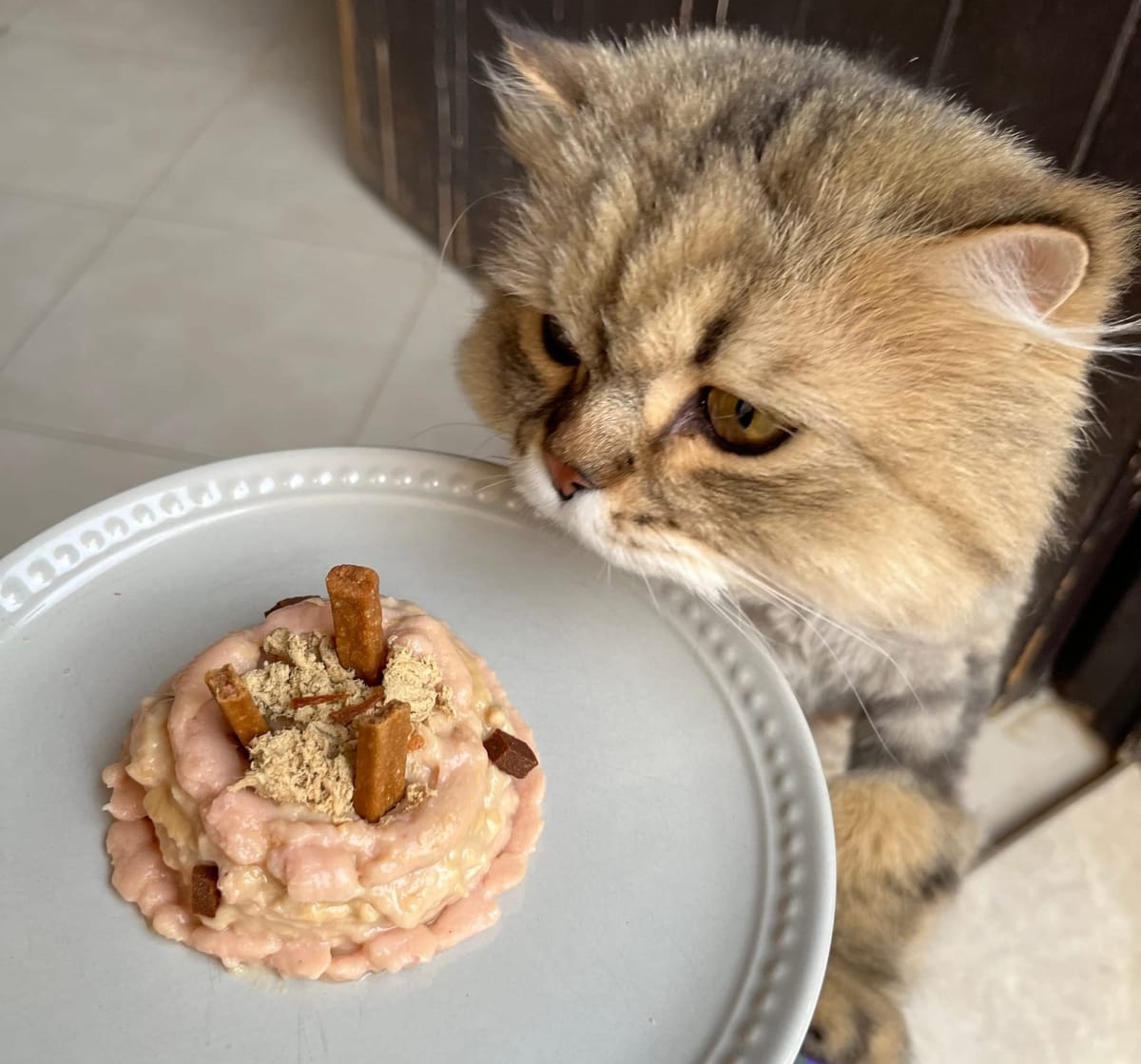
The Complete Transition Guide
Transitioning a cat to a raw diet is not always a quick process. Some cats switch immediately, while others require weeks or even months to fully accept a new way of eating. Patience and consistency are key.
Transitioning Kittens
Kittens generally adapt to raw food more easily than adult cats because they are still developing their food preferences.
When introducing raw food to a kitten:
· Start with small amounts mixed into their current food.
· Monitor stool quality and overall digestion.
· Slow down the transition if digestive upset occurs.
· Increase the proportion of raw food as the kitten adjusts.
Most kittens can transition relatively quickly, but every kitten is different.
Transitioning Adult Cats
Adult cats can be more challenging because many have eaten the same food for years and may be resistant to changes in texture, smell, or taste.
One of the most important steps is to stop free-feeding and establish regular mealtimes. Offering food on a schedule helps create a healthy appetite and makes cats more receptive to trying new foods.
A. Dry Food to Raw
Many cats become attached to the texture of dry food. The following methods can help ease the transition:
· Sprinkle a small amount of dry food on top of the raw food.
· Crush the dry food and mix it throughout the raw food.
· Gradually increase the amount of raw food while reducing the amount of kibble.
Consistency is important. If your cat learns that refusing raw food results in receiving a bowl of kibble, the transition may take much longer.
B. Wet Food to Raw
Cats already eating wet food often transition more easily.
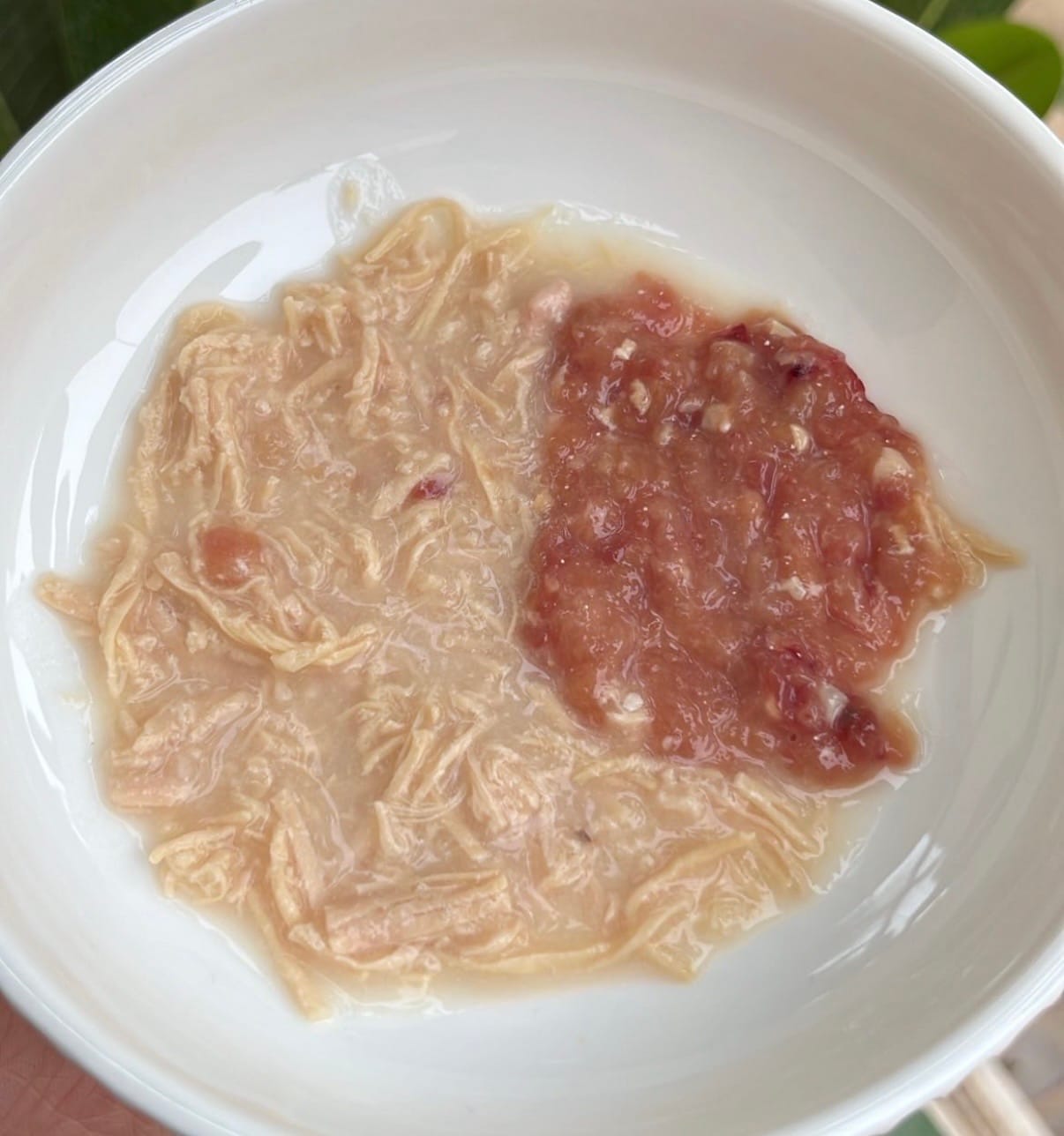
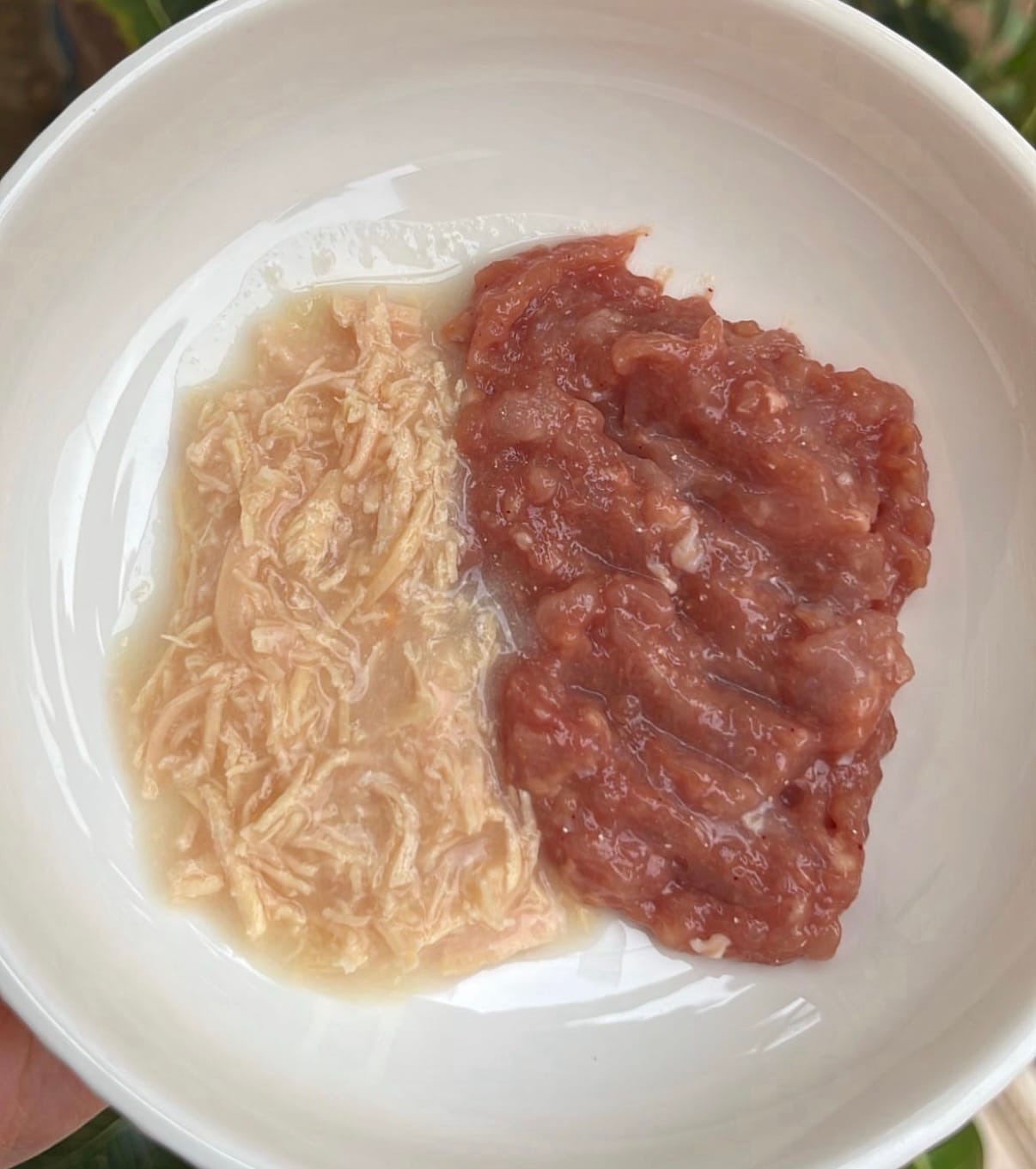
· Mix a small amount of raw food into the wet food.
· Gradually increase the raw food while reducing the wet food.
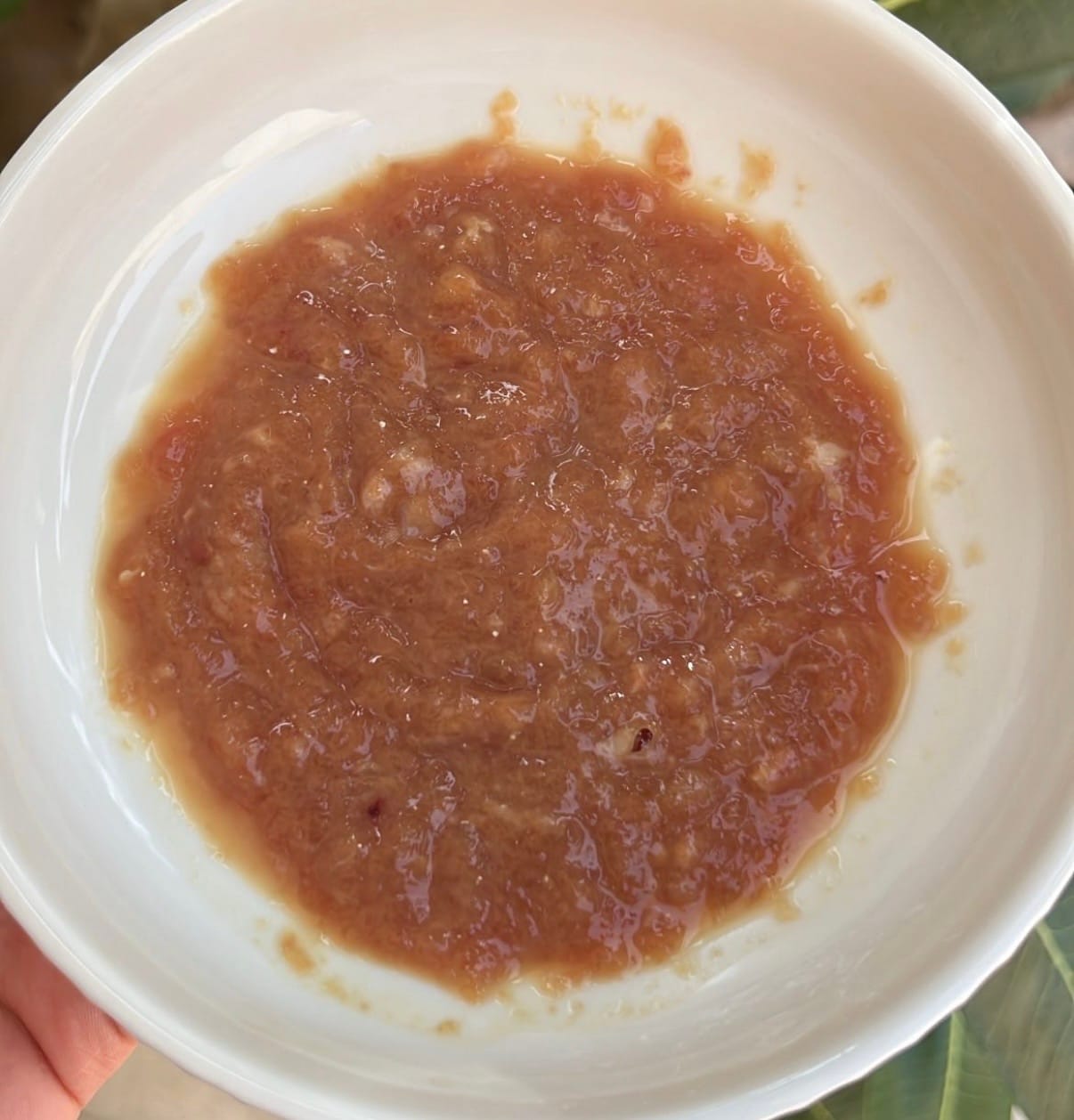
· If your cat only eats the wet food, mix them thoroughly.
· Consider using freeze-dried treats or wet treat purées as toppers if needed.
Continue increasing the raw portion until the meal is entirely raw.
C. Dry Food to Wet Food
Some cats refuse raw food simply because they dislike the texture.
If this happens:
· Transition from dry food to wet food first.
· Once your cat consistently eats wet food, begin transitioning from wet food to raw food.
This extra step often helps texture-sensitive cats.
D. Dry Food to Air-Dried Raw Food
Air-dried raw food can be a useful intermediate step because it resembles kibble in texture while providing a more species-appropriate ingredient profile.
If your cat accepts air-dried raw food:
· Use it as a topper on raw meals.
· Replace kibble with air-dried raw food during the transition process.
· Gradually reduce the amount of air-dried food as raw food intake increases.
Important Note
Once your cat begins eating raw food consistently gradually reduce toppers and treats mixed into meals as they may start to build a dependence on them.
Do not rush this process. Every cat progresses at their own pace.